Ensuring your pet’s grooming needs are met is crucial for their overall well-being and health. Understanding the optimal frequency for professional grooming tailored to your pet’s breed and coat type is essential.
Factors such as hair length, shedding patterns pet universe starlux grooming, and skin health play a role in determining the grooming schedule. By following personalized grooming recommendations, you can help your furry companion look and feel their best, all while maintaining their comfort and hygiene.
Importance of Regular Grooming
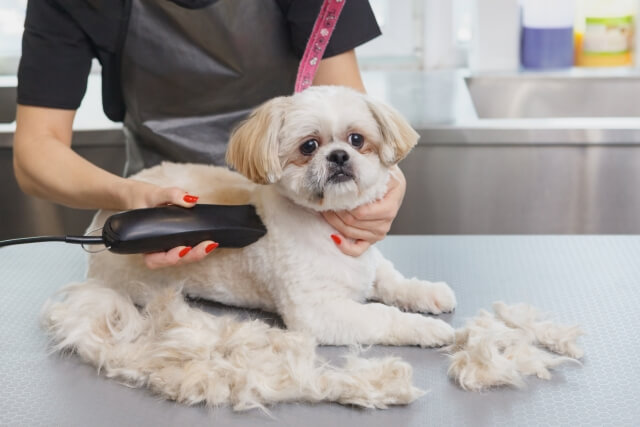
Regular grooming of your pet is essential to maintain their health and well-being. Grooming goes beyond just keeping your pet looking tidy; it plays a crucial role in preventing health issues such as skin infections, matting, and parasitic infestations.
Brushing your pet’s coat helps to remove dirt, debris https://starlux.petuniverse.com/, and loose fur, preventing tangles and mats that can be painful for your furry friend. Additionally, regular grooming allows you to inspect your pet’s skin for any abnormalities like lumps, bumps, or signs of irritation, enabling early detection of potential health problems.
Trimming your pet’s nails is also a vital part of grooming as overgrown nails can cause discomfort and affect their posture and mobility. Furthermore, grooming sessions provide an opportunity to check your pet’s ears, teeth, and eyes for any signs of infection or disease.
Factors Influencing Grooming Frequency
Maintaining the optimal grooming frequency for your pet depends on various factors such as their breed, coat type, activity level, and overall health status. Different breeds have varying grooming needs; for example, long-haired breeds may require more frequent grooming than short-haired breeds to prevent matting and tangles. Dogs or cats with thick double coats might need more attention to control shedding and prevent skin issues.
Additionally, the activity level of your pet plays a role in grooming frequency. Active pets that spend a lot of time outdoors may need more frequent grooming to remove dirt, debris, and potential pests.
Moreover, the overall health status of your pet is crucial in determining grooming frequency. Pets with skin conditions, allergies, or mobility issues may require more frequent grooming to prevent skin infections or to address special grooming needs. Regular grooming not only keeps your pet looking and feeling their best but also contributes to their overall health and well-being. Be sure to consult with a professional groomer or veterinarian to determine the ideal grooming schedule tailored to your pet’s specific needs.
Grooming Schedule for Long-Haired Breeds
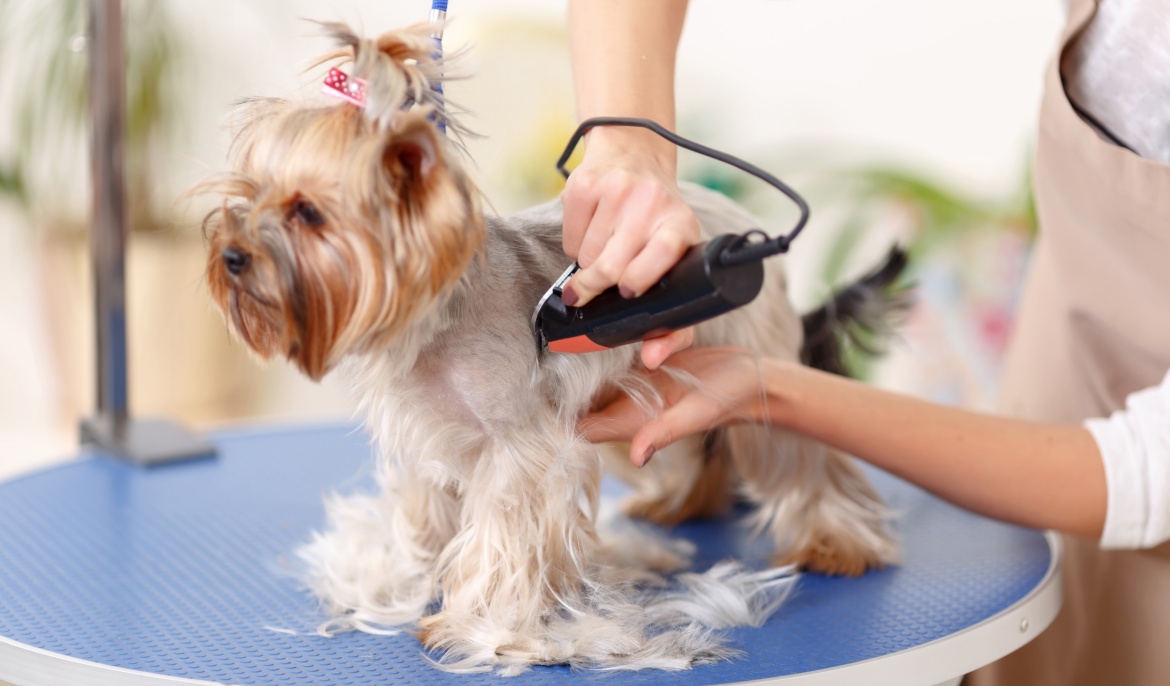
Factors influencing grooming frequency for long-haired breeds extend beyond just their coat length, encompassing considerations such as grooming techniques and products tailored to their specific needs. Long-haired breeds like the Afghan Hound, Maltese, or Yorkshire Terrier require more frequent grooming compared to short-haired breeds.
A regular grooming schedule is essential to prevent matting, tangles, and skin issues. For these breeds, a grooming session every 4-6 weeks is generally recommended. However, individual needs may vary based on the specific breed, the dog’s lifestyle, and the season. During shedding seasons, more frequent brushing and grooming might be necessary to manage the excess hair.
It’s crucial to use high-quality grooming tools such as slicker brushes, combs, and detanglers designed for long coats. Additionally, using specialized shampoos and conditioners can help maintain the coat’s health and shine. By following a consistent grooming schedule and using the right products, owners can keep their long-haired companions looking and feeling their best.
Grooming Schedule for Short-Haired Breeds
Effective grooming practices for short-haired breeds are crucial for promoting their overall well-being and appearance. Despite having shorter fur, these breeds still require regular grooming to maintain healthy skin and coat.
Short-haired breeds shed year-round, so consistent grooming helps reduce shedding and prevents matting. A grooming schedule for short-haired breeds typically involves brushing them once a week to remove loose hair and distribute natural oils for a shiny coat. Bathing is necessary every 2-3 months or as needed, using a gentle pet shampoo to avoid stripping the skin of essential oils. Regular nail trims are essential to prevent overgrowth and discomfort while walking.
Checking ears for dirt or infection and teeth for tartar buildup should also be part of the grooming routine. Professional grooming services for short-haired breeds may be required every 2-3 months for a thorough cleaning and maintenance. By following a consistent grooming schedule, short-haired breeds can stay healthy, comfortable, and looking their best.
Tailored Grooming Recommendations
When tailoring grooming recommendations for short-haired breeds, consider their specific needs and characteristics to ensure optimal care. Short-haired breeds, such as Beagles or Dalmatians, typically require less maintenance compared to long-haired breeds, but they still benefit from regular grooming.
Brushing their coat once a week helps remove loose hair and distribute natural oils, promoting a healthy shine. Bathing should be done as needed, depending on the dog’s activities and tendency to get dirty. Use a mild shampoo to avoid stripping their coat of essential oils.
Additionally, check their ears for any signs of infection or irritation regularly, especially if they are prone to ear issues. Trim their nails every 2-3 weeks to prevent overgrowth and potential discomfort.
Lastly, dental care is crucial for short-haired breeds to maintain overall health. Brush their teeth regularly and provide dental chews or toys to support oral hygiene.
Conclusion
In conclusion, the frequency of professional grooming for pets depends on various factors such as breed, coat type, and individual needs. Regular grooming is essential for maintaining the health and appearance of your pet.
Long-haired breeds may require more frequent grooming sessions compared to short-haired breeds. It is important to establish a grooming schedule that suits your pet’s specific requirements to ensure they stay clean, healthy, and happy.
About The Author